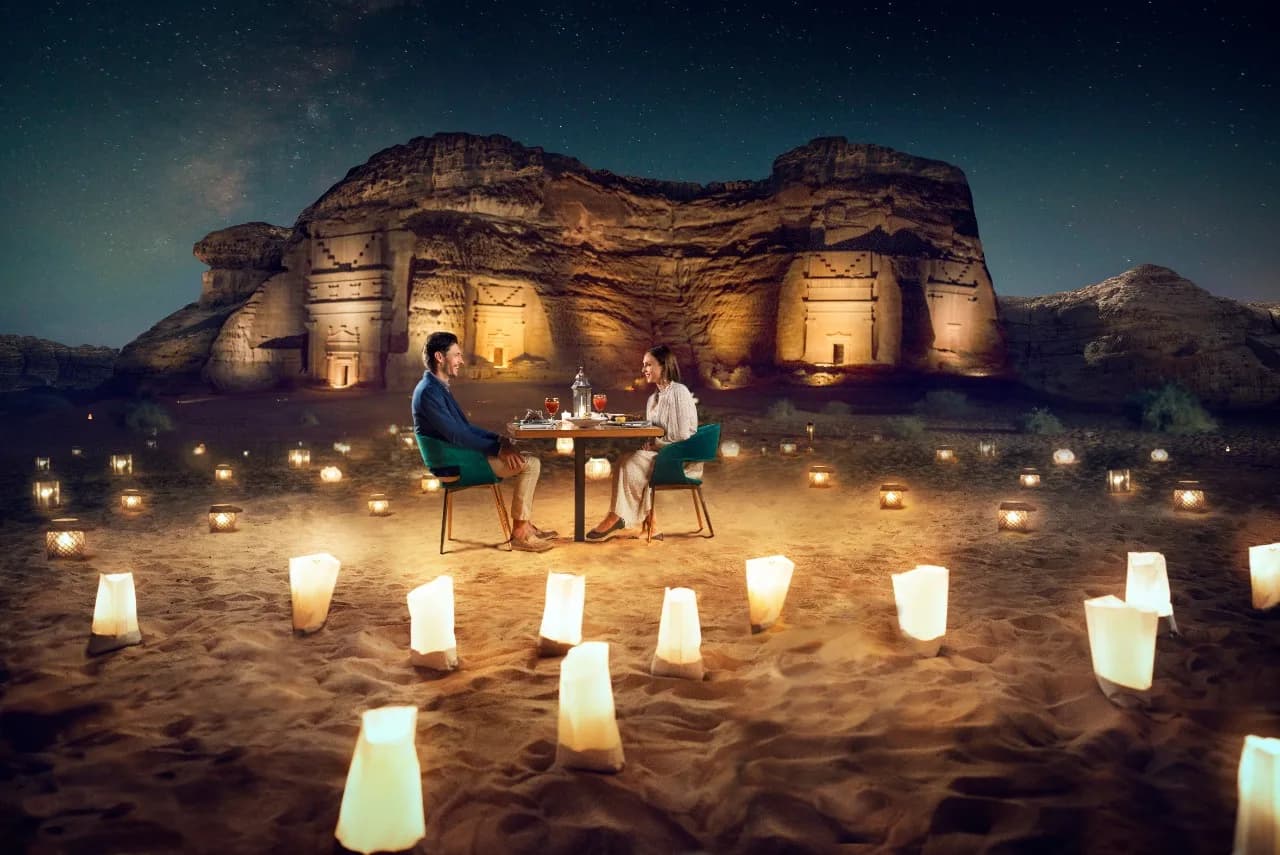
Saudi Arabia opened its doors to international tourists in September 2019. In the years since, the kingdom has moved with remarkable speed to develop its heritage sites, build world-class accommodation, and create the infrastructure for a tourism industry that barely existed a decade ago. For luxury travellers, the result is something genuinely unusual: a destination of extraordinary depth that has not yet been shaped — or diminished — by mass tourism.
If you are considering Saudi Arabia for 2026, this guide covers everything you need to know — from the practical details of visas and cultural etiquette to the heritage experiences and luxury accommodation that make the kingdom one of the most compelling new destinations in the world.
Saudi Arabia now offers an electronic tourist visa (eVisa) to citizens of more than 60 countries, including the United Kingdom, the European Union, the United States, Canada, and Australia. The eVisa is valid for one year, permits multiple entries, and allows stays of up to 90 days per visit. The application is completed online and typically approved within minutes. Passports must be valid for at least six months beyond the date of entry.
For travellers from countries not covered by the eVisa programme, a standard tourist visa can be obtained through the Saudi embassy or consulate. Your travel planner can advise on the process for your specific nationality.
Saudi Arabia is a large country with significant climate variation, but for heritage-focused travel, the optimal window is October through March. During these months, daytime temperatures in AlUla, Diriyah, and Jeddah range from 20-30°C — comfortable for extended outdoor exploration. December through February is peak season, with the most pleasant temperatures and the fullest cultural programme.
Summer temperatures regularly exceed 45°C in Riyadh and the interior, making outdoor heritage touring impractical. The Red Sea coast is slightly more moderate year-round but is best visited during the winter months when humidity is lower.
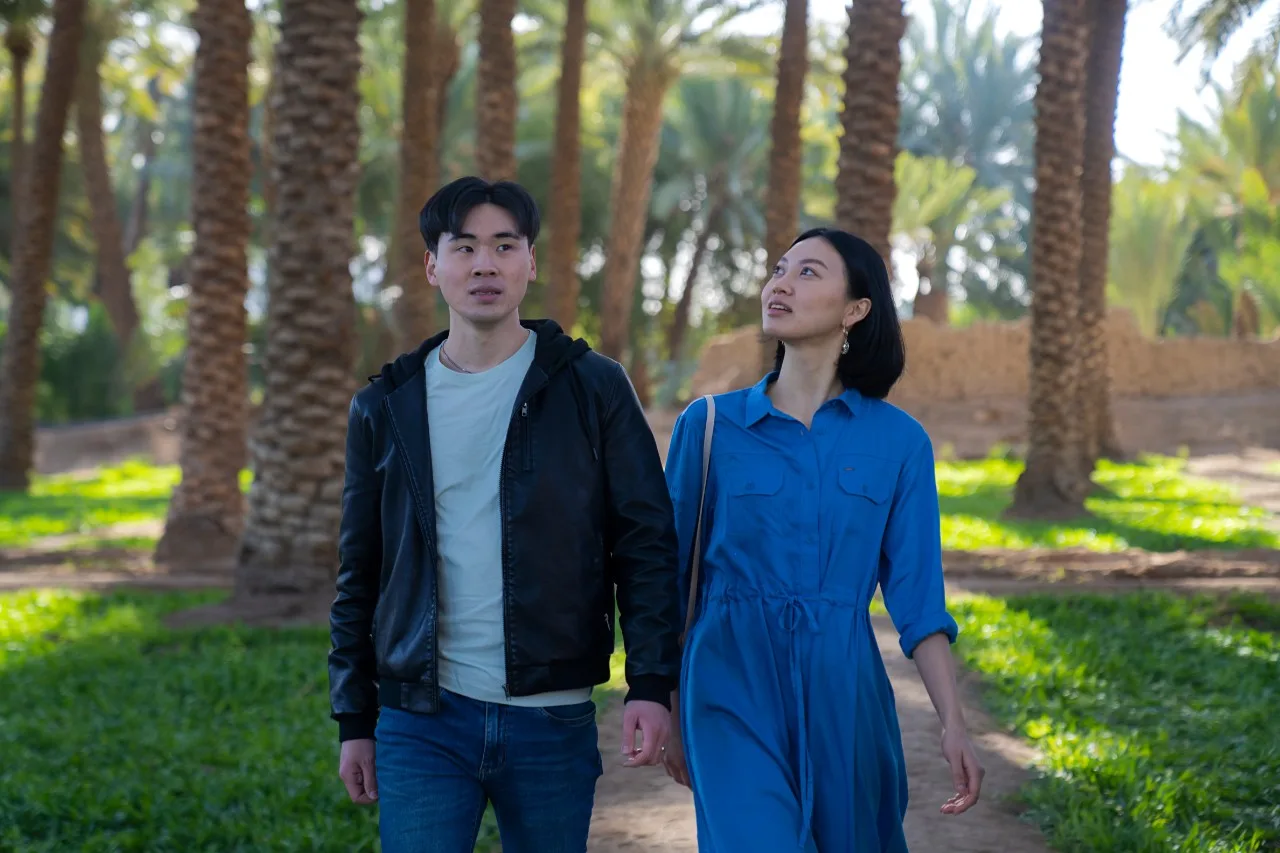
Saudi Arabia is a conservative country with deep cultural traditions, but it has become considerably more welcoming to international visitors in recent years. Understanding a few key points of etiquette will enrich your experience and demonstrate respect for your hosts.
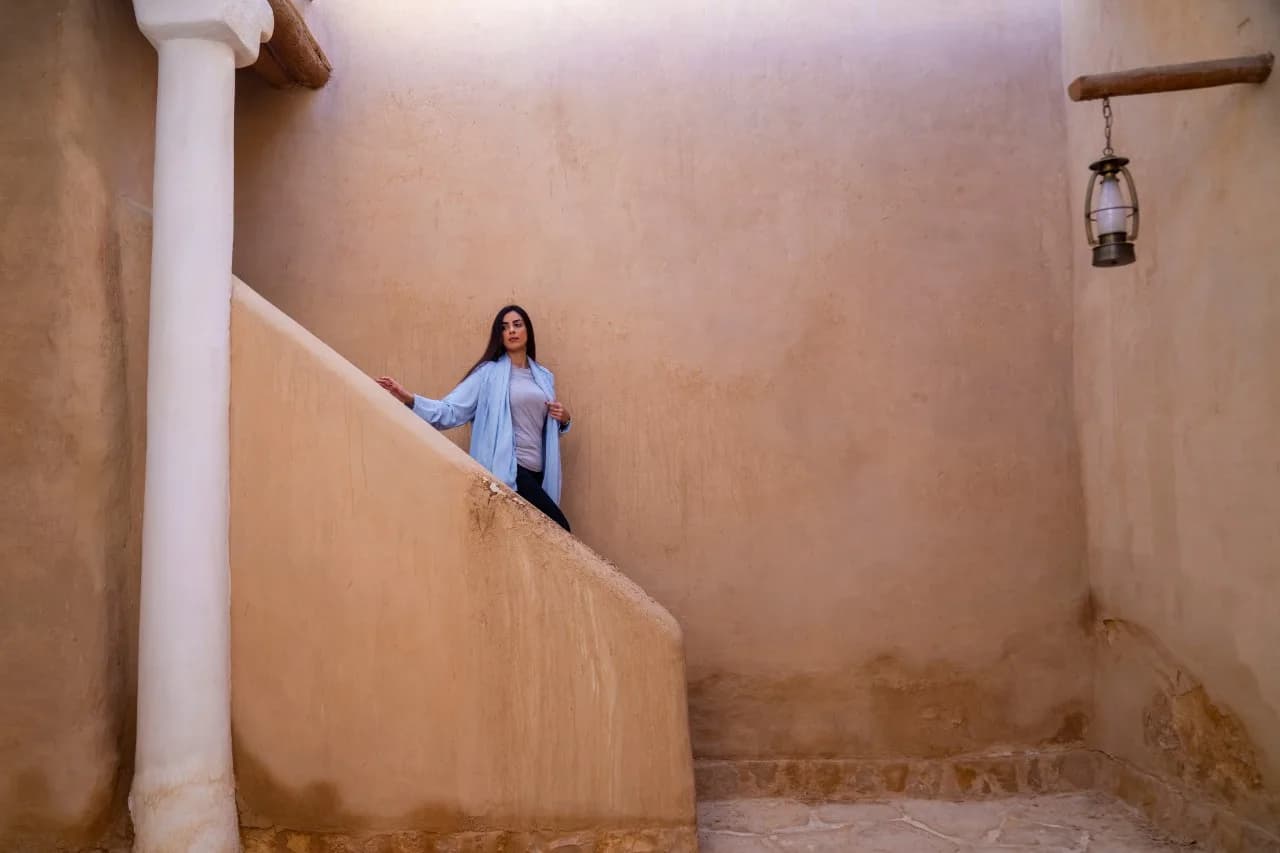
Saudi Arabia's appeal to luxury heritage travellers rests on three pillars: the sheer depth of its ancient history, the quality of preservation at its major sites, and the near-absence of crowds at monuments that would draw millions of visitors if they were located anywhere else in the world.
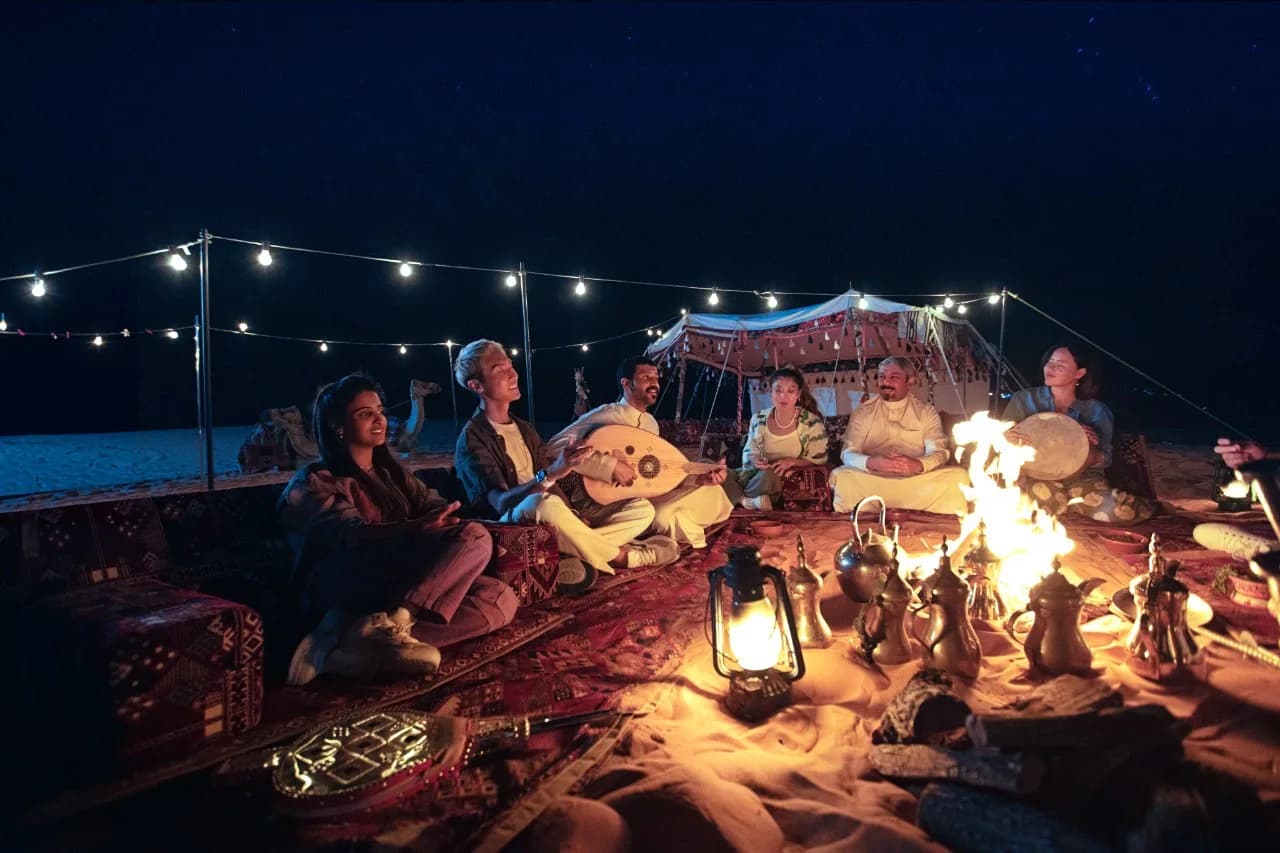
Saudi Arabia's luxury accommodation has developed rapidly since 2019, and the standard is now genuinely world-class in the key heritage regions.
In AlUla, Habitas and Banyan Tree offer landscape-integrated resorts that feel like natural extensions of the desert. In Riyadh, international brands including the Ritz-Carlton, Four Seasons, and Mandarin Oriental operate properties of the highest standard. Jeddah's hotel scene includes the Park Hyatt and Assila, both well-positioned for Al-Balad exploration. On the Red Sea coast, new resort developments are opening with a focus on sustainability and low-density luxury.
For travellers seeking something beyond the conventional hotel experience, luxury desert glamping in AlUla — private tented camps set within the sandstone landscape — offers a genuinely unforgettable alternative.
Saudi Arabia is a vast country — roughly five times the size of Germany — and distances between heritage regions are significant. Domestic flights connect Riyadh, Jeddah, and AlUla efficiently, with flight times of one to two hours. The national carrier, Saudia, and the low-cost operator, flynas, both offer reliable domestic services.
Within each destination, private air-conditioned transport with an English-speaking driver is the standard for luxury travellers. Self-driving is possible but rarely necessary or advisable, given the quality of private transfers and the value of having a knowledgeable driver who can navigate local roads and customs.
A luxury heritage trip to Saudi Arabia in 2026 typically starts from around €5,000 per person for a focused five-day journey, rising to €8,000-10,000 per person for a comprehensive ten-day itinerary covering multiple regions. These prices generally include luxury accommodation, private transport, domestic flights, expert guides, all site access, and most meals.
Saudi Arabia represents strong value relative to comparable luxury heritage destinations. The quality of accommodation and guiding is on par with the best of Jordan, Egypt, or Morocco, while the absence of mass tourism means that private access to major sites — the kind of experience that commands a significant premium elsewhere — is often simply the default.
“What strikes most first-time visitors is not the scale of the heritage — though it is immense — but the feeling of being somewhere that the rest of the world has not yet found. That window will not remain open indefinitely. The time to visit Saudi Arabia is now, while the experience still feels like a genuine discovery.”
— Nia, Nia Travels
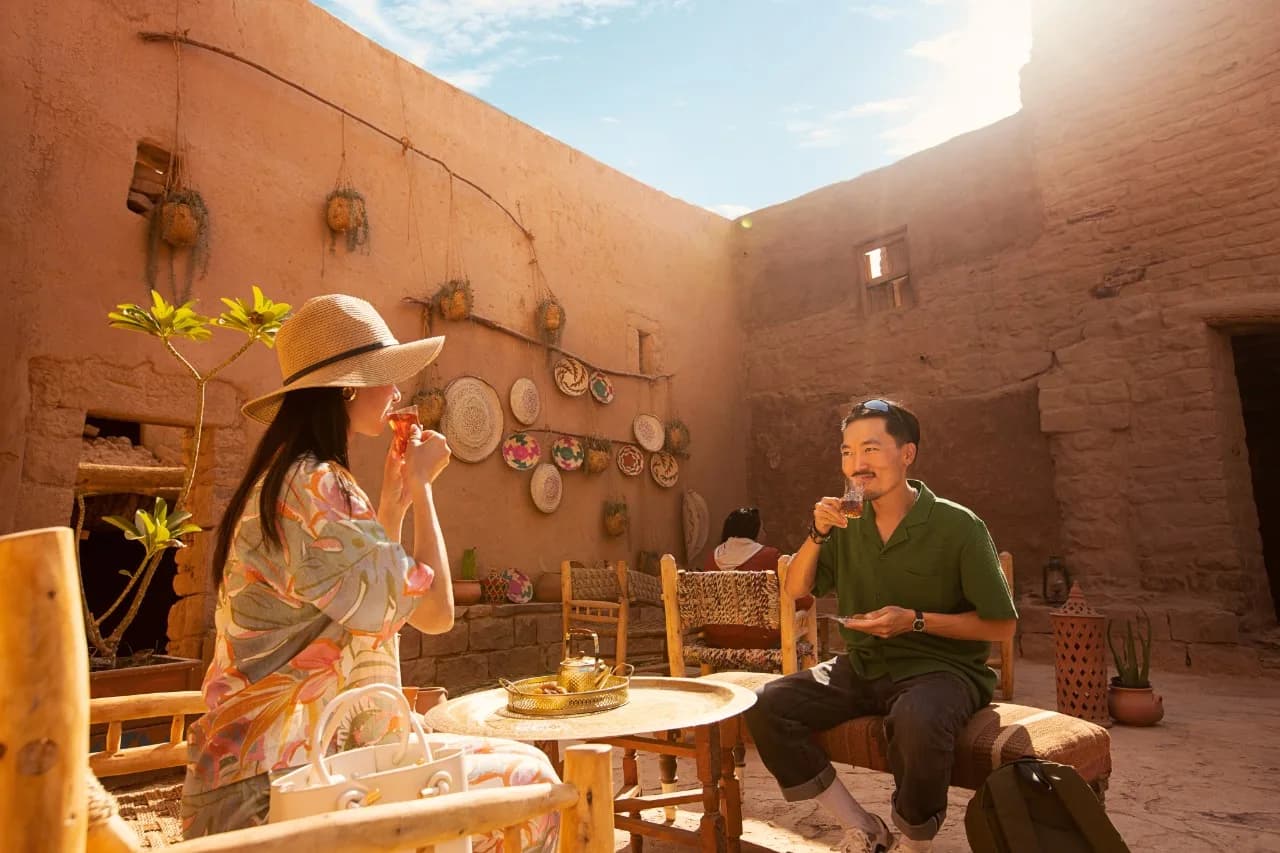
Saudi Arabia is one of the safest countries in the Middle East for international visitors. Crime rates are extremely low, and the government has invested heavily in tourism infrastructure and visitor safety. Western travellers — including solo female travellers — report consistently positive experiences. As with any destination, standard travel precautions apply, but the level of personal safety in Saudi Arabia's tourist regions is comparable to or better than most European countries.
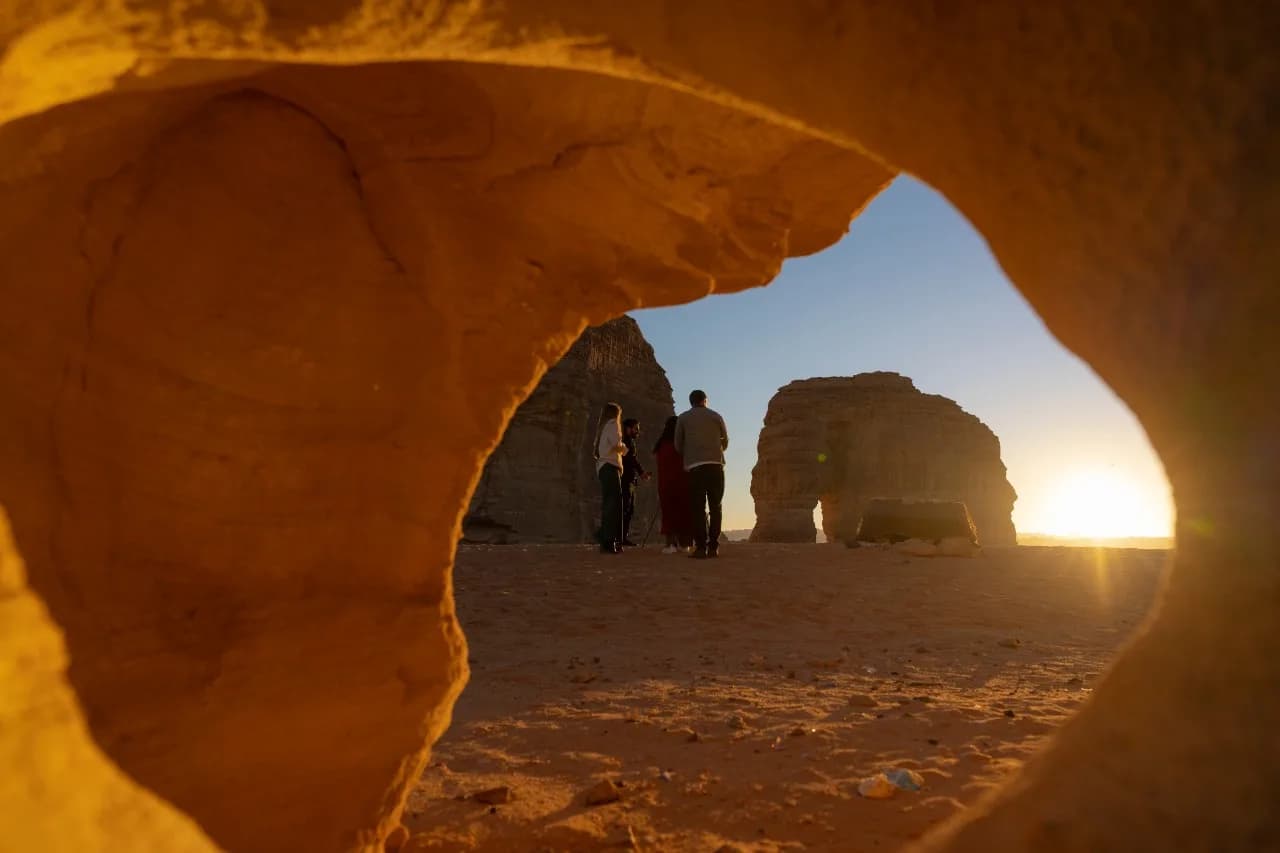
Saudi Arabia rewards planning. The heritage sites are spread across a large geography, the best accommodation books up during peak season, and the most rewarding experiences — private sunset access at Hegra, hot air balloon flights over AlUla, archaeologist-led tours — require advance arrangement. Working with a specialist travel planner who knows the destination intimately ensures that every element of your journey is considered and nothing of value is missed.
At Nia Travels, we design heritage-focused itineraries for small groups of two to eight travellers, with every detail shaped around depth, authenticity, and the kind of access that transforms a trip into a journey. If Saudi Arabia is on your horizon for 2026, we would welcome the conversation.
February 2026
Share your travel preferences and Nia will personally design your itinerary. No commitment, no booking pressure.
Fill out the form below and we'll get back to you with a personalized itinerary.