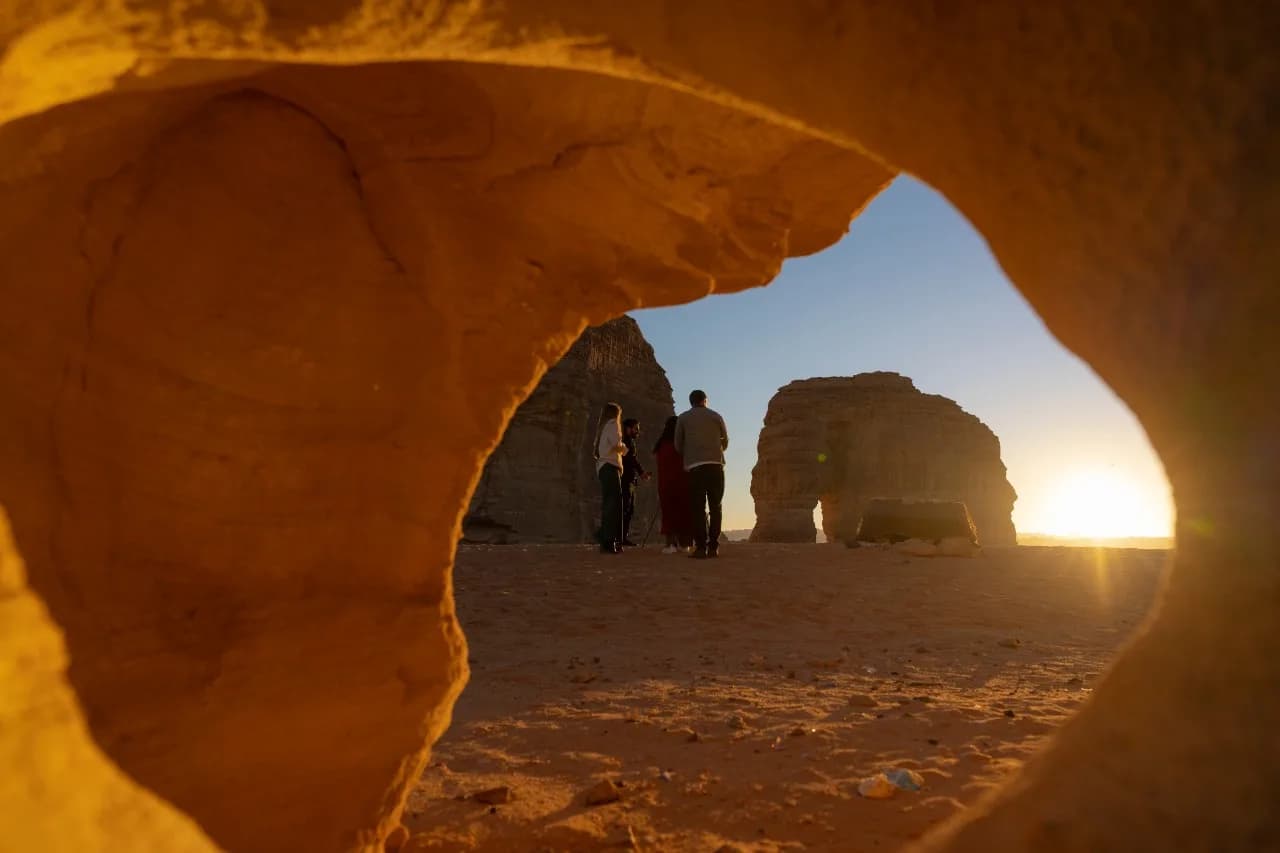
Mention the Nabataeans to most travellers and they think of one place: Petra. The rose-red city carved into the sandstone cliffs of southern Jordan has been drawing visitors since Burckhardt rediscovered it in 1812, and today it welcomes more than a million tourists each year. It is, by any measure, one of the great archaeological sites on earth.
But the Nabataeans did not build only one city. Five hundred kilometres to the south, in the AlUla valley of northwest Saudi Arabia, stands Hegra — known historically as Mada'in Salih. It was the Nabataean kingdom's second city, its southern capital, and the hub from which it controlled the enormously profitable Incense Road trade. Hegra holds more than 110 monumental rock-cut tombs, a sophisticated water management system, and inscriptions that reveal the legal, social, and spiritual life of a civilisation that flourished two thousand years ago. In 2008, it became Saudi Arabia's first UNESCO World Heritage Site.
So why do so few Western travellers know about it? And how does it actually compare to its famous northern sibling?
The Nabataeans were originally a nomadic Arabian people who, by the 4th century BCE, had settled in the region between the Dead Sea and the Red Sea and established control over the trade routes that carried frankincense, myrrh, and spices from southern Arabia to the Mediterranean world. Petra, in modern-day Jordan, was their capital. Hegra, 500 kilometres to the south in what is now Saudi Arabia, was their second-largest settlement — the critical southern node that connected them to the incense-producing regions of Yemen and Oman.
Both cities share the same architectural DNA: monumental tombs carved directly into the sandstone cliff faces, featuring the distinctive Nabataean blend of Hellenistic, Egyptian, and Mesopotamian decorative elements. Eagles, urns, pilasters, and Medusa-like faces adorn the facades of tombs in both cities. The craftsmanship is the same. The ambition is the same. But the experience of visiting them in 2026 could not be more different.
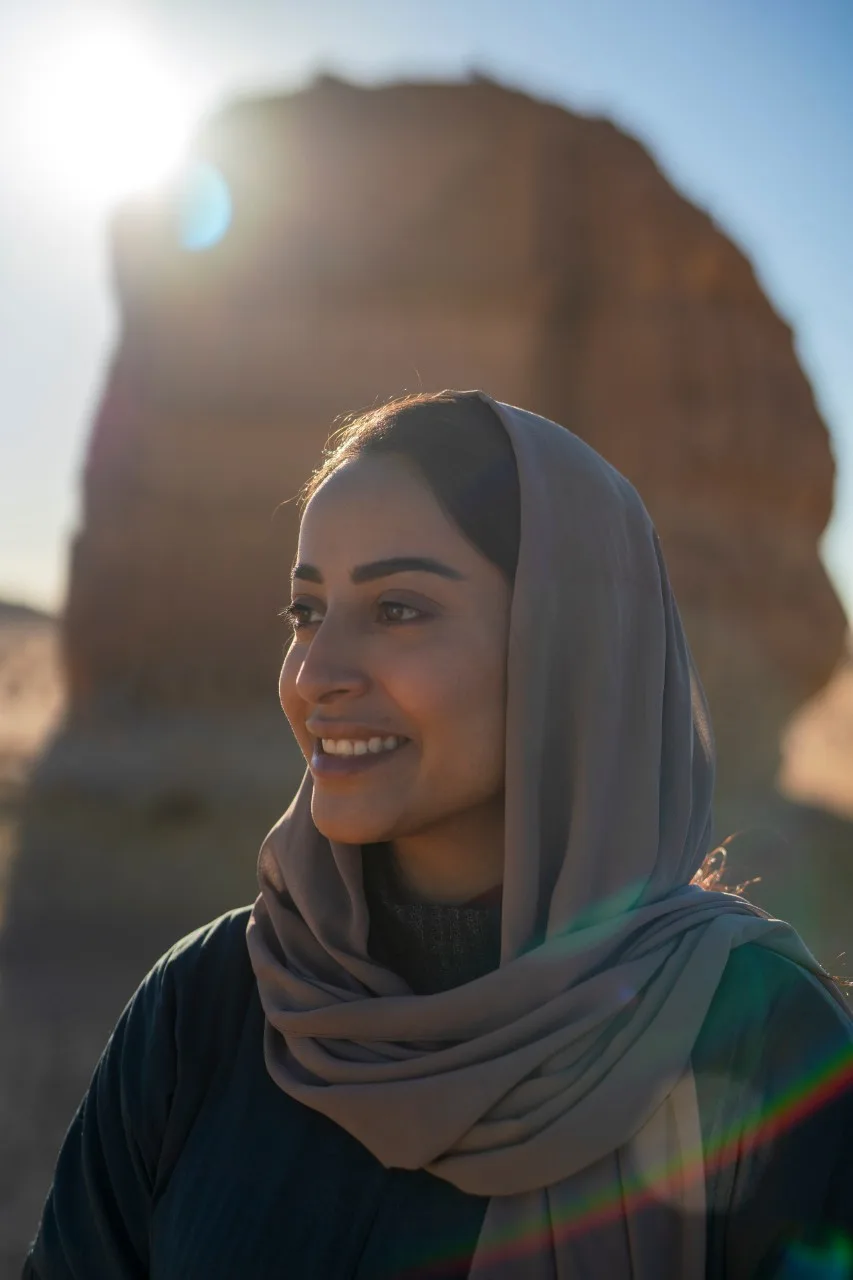
Petra is the larger site. Its most famous monument — the Treasury, or Al-Khazneh — is more elaborate than anything at Hegra, and the sheer number of carved facades, temples, and public buildings is greater. Petra also has the Siq, the narrow gorge entrance that creates one of archaeology's most dramatic reveals.
Hegra, however, is the better-preserved site. While many of Petra's facades have suffered from earthquake damage, erosion, and the cumulative effects of two centuries of tourism, Hegra's tombs are in remarkably intact condition. The carved inscriptions — which record the names of the tomb owners, the craftsmen who built them, and detailed instructions about who may and may not be buried within — are legible in a way that Petra's are not. For travellers interested in reading the Nabataean world rather than simply photographing it, Hegra offers more.
“At Petra, you photograph the Treasury from behind a crowd. At Hegra, you place your hand on the stone and read the name of the man who commissioned it two thousand years ago. Both are extraordinary. But only one feels like a private conversation with the ancient world.”
— Nia, Nia Travels
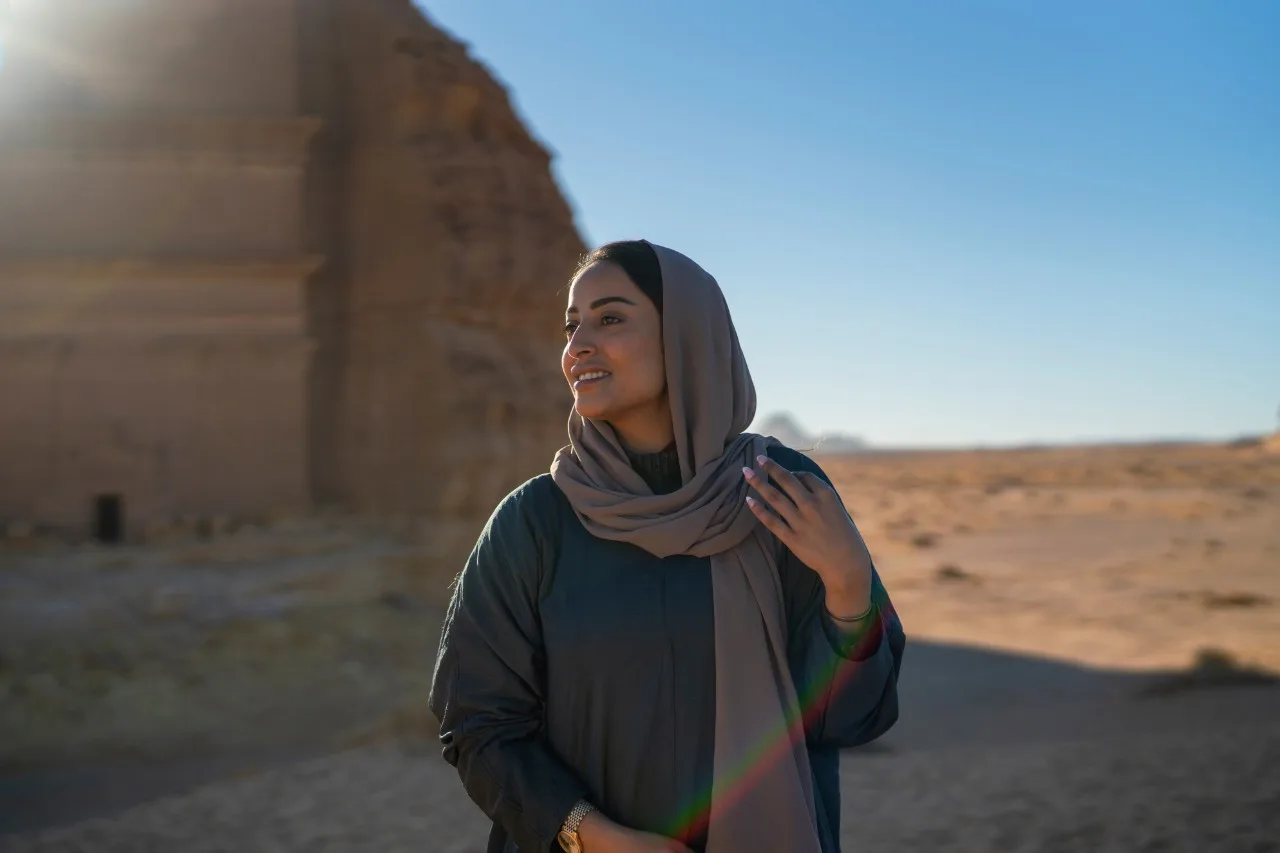
This is where the comparison becomes most striking. Petra received approximately 1.1 million visitors in 2024. On a busy day, several thousand people move through the Siq and crowd the plaza in front of the Treasury. The site is extraordinary, but the experience of visiting it has become inseparable from managing the crowds — queuing for photographs, navigating tour groups, and hearing a dozen languages echo off the rock walls simultaneously.
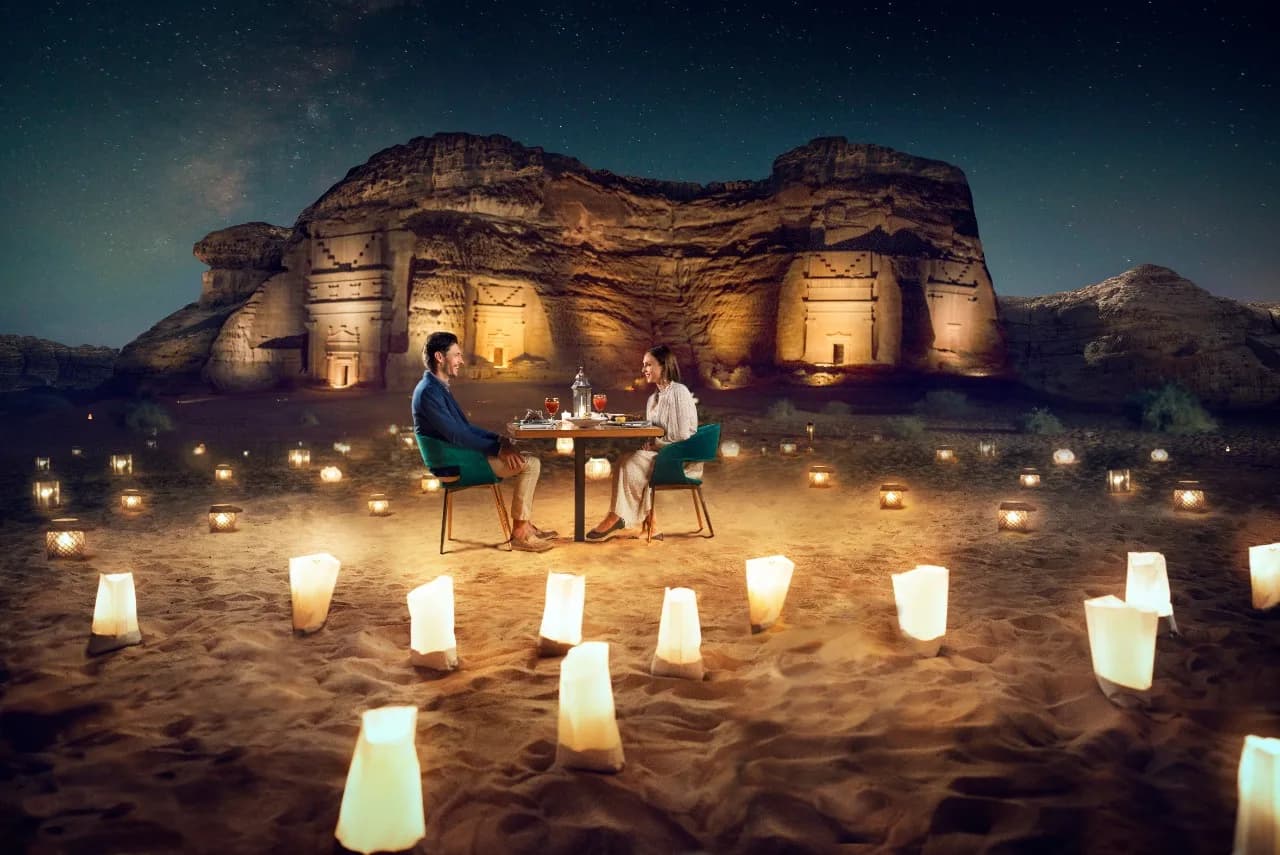
Hegra, by contrast, remains one of the least visited major archaeological sites in the world. Saudi Arabia only opened to international tourism in 2019, and visitor numbers at Hegra are still measured in the tens of thousands rather than the millions. It is entirely possible — and in fact common — to spend an hour at a major tomb cluster without encountering another group. During a private sunset visit, the site can feel as though it belongs to you alone.
For travellers who have visited the world's great ancient sites and found each one a little more crowded than the last, Hegra offers something increasingly rare: the feeling of genuine discovery. The tombs are not roped off behind barriers. There are no selfie sticks in your sightline. The silence is real.
It would be dishonest to suggest that Hegra surpasses Petra in every respect. Petra is a larger, more complex site with a greater variety of monument types — temples, a theatre, colonnaded streets, and the remarkable Monastery carved high into the mountain. The Treasury remains one of the most visually stunning single monuments in the ancient world. Petra's infrastructure is also more developed, with a wider range of accommodation and dining options in the surrounding area.
The honest comparison is not that one site is better than the other. It is that they offer fundamentally different experiences of the same civilisation. Petra is the grand statement — the capital in all its theatrical splendour. Hegra is the quieter revelation — the place where you can still hear the ancient world speak.
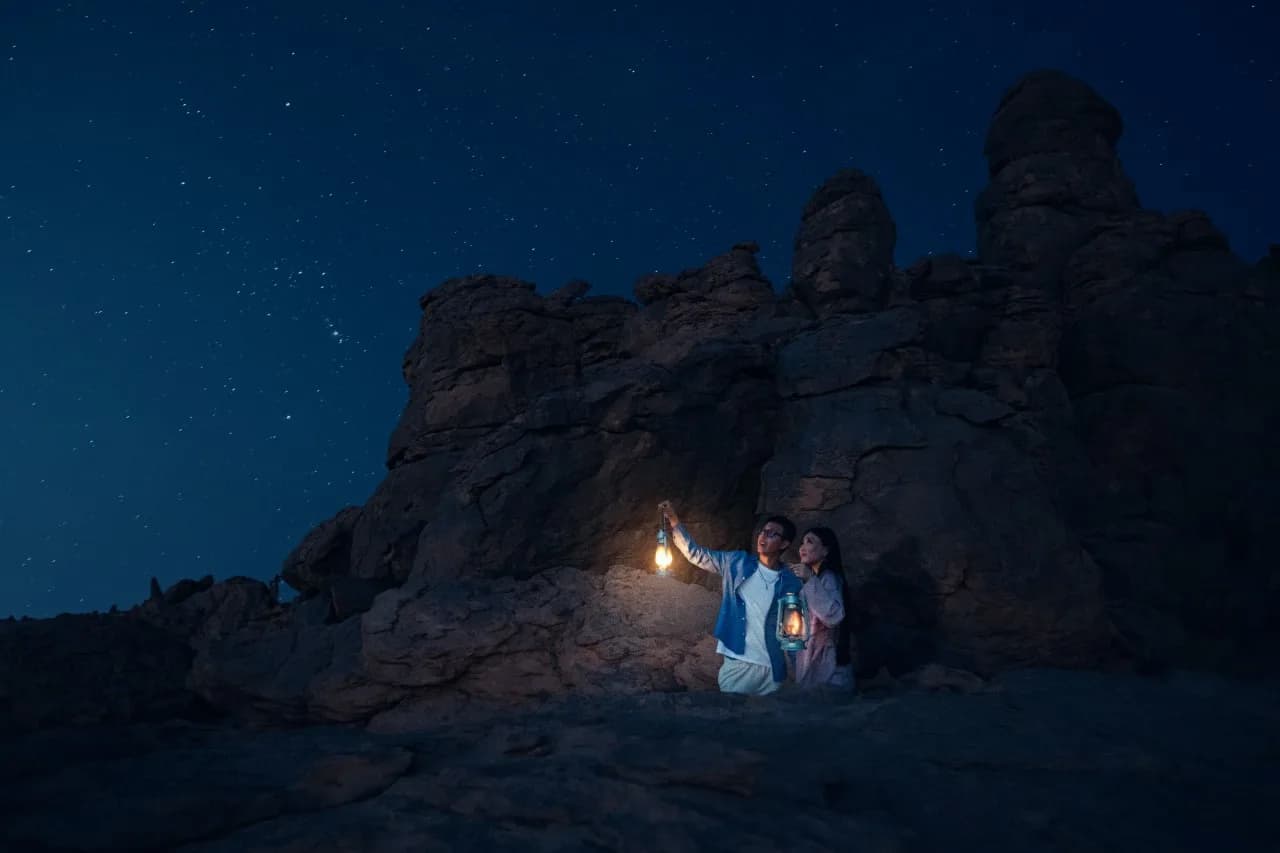
If you have the time and interest, visiting both Petra and Hegra creates one of the most complete Nabataean journeys possible — seeing the northern and southern capitals of a civilisation that once controlled some of the most lucrative trade routes in the ancient world. Some travellers combine Jordan and Saudi Arabia in a single trip, crossing between the two countries at the northern border.
But if you can visit only one, and you are the kind of traveller who values depth over spectacle, preservation over fame, and the sound of wind over the sound of crowds, Hegra deserves more than your attention. It deserves your presence.
Hegra features in all of our AlUla itineraries, from the focused five-day Heritage and Desert Adventure to the comprehensive ten-day Ancient Arabia and the Red Sea journey. Every visit includes a private archaeologist guide, sunset access when available, and the unhurried pace that the site demands. If Hegra has moved to the front of your mind, we would welcome the chance to help you plan the journey.
February 2026
January 2026
Share your travel preferences and Nia will personally design your itinerary. No commitment, no booking pressure.
Fill out the form below and we'll get back to you with a personalized itinerary.