For more than a millennium, Jeddah served as the principal Red Sea gateway to the Arabian Peninsula — a cosmopolitan port city where traders from across the Indian Ocean world arrived, settled, and built. The district known as Al-Balad, Jeddah's historic centre and a UNESCO World Heritage Site since 2014, preserves the physical legacy of this mercantile golden age in the form of extraordinary coral stone buildings rising four and five storeys above narrow lanes. The facades of these houses are animated by hundreds of intricately carved wooden Rowshan balconies — projecting enclosed screens unique to the Hejazi architectural tradition — designed to catch the sea breeze and allow the women of merchant households to observe street life while remaining unseen.
What sets Al-Balad apart from many heritage sites is that it remains genuinely inhabited. Families have lived in these buildings continuously for generations; the souqs still trade in spices, textiles, gold, and frankincense much as they have for centuries. Souq Al-Alawi, the main market artery, is still a working commercial street rather than a curated experience — an authentic encounter with urban life that has evolved slowly over four hundred years. As the natural gateway to the Red Sea coast, Al-Balad also serves as the ideal starting point for a journey that combines heritage immersion with coastal luxury.
Enquire About Al-BaladListed by UNESCO in 2014 as an outstanding example of a traditional Red Sea merchant city, Al-Balad encompasses approximately 2.5 square kilometres of continuous historic urban fabric. The site contains more than 650 historic buildings, with some coral stone structures dating to the 14th century, all within walking distance of one another in a district that has been continuously inhabited since before the rise of Islam.
The buildings of Al-Balad are constructed primarily from fossilised coral harvested from the Red Sea — a material that provides natural insulation in Jeddah's humid coastal climate. Their most distinctive feature is the Rowshan: a projecting enclosed balcony of intricately latticed teak or mahogany, each one unique, carved by craftsmen whose families held the skill across generations. The finest examples can be found on Nassif House, now a museum, and on a dozen other grand merchant residences along the main streets.
Running through the heart of Al-Balad, Souq Al-Alawi remains a functioning commercial street lined with traders selling frankincense, rose water, black seed, dried limes, handwoven textiles, and antique silver jewellery. The aromas of the spice section alone are enough to locate it from two streets away — an overwhelming, irreplaceable sensory experience that a curated shopping mall can never replicate.
Nassif House, built in 1881 for one of Jeddah's most prominent merchant families, is among the finest surviving examples of traditional Hejazi domestic architecture. The seven-storey building hosted King Abdulaziz ibn Saud on his first visit to Jeddah in 1925 and is today preserved as a museum tracing the city's merchant heritage and the history of the Hejaz through photographs, artefacts, and the restored domestic spaces of a great trading family.
Unlike the carefully curated heritage zones of Diriyah or AlUla, Al-Balad is a place where ordinary urban life continues to unfold around the historic fabric. Children play in alleyways beneath ancient mashrabiya screens, the call to prayer echoes from Ottoman-era mosques, and coffee vendors work the same corners their predecessors occupied a century ago. A guided morning walk with a local resident unlocks histories invisible to the independent visitor.
Jeddah's international airport makes Al-Balad one of the most accessible heritage destinations in Saudi Arabia, and its position on the Red Sea coast means that a heritage programme in the city pairs naturally with coastal luxury further north. Two nights in Al-Balad followed by a transfer to a private island resort or a Red Sea glamping site creates a journey of remarkable contrast — ancient coral stone streets giving way to pristine coral reef.
Explore our handcrafted itineraries designed to showcase the best of each destination. Customize any journey to match your preferences.
 7 Days
Riyadh → Diriyah → AlUla → Hegra
From €5,500 per person
View Full Itinerary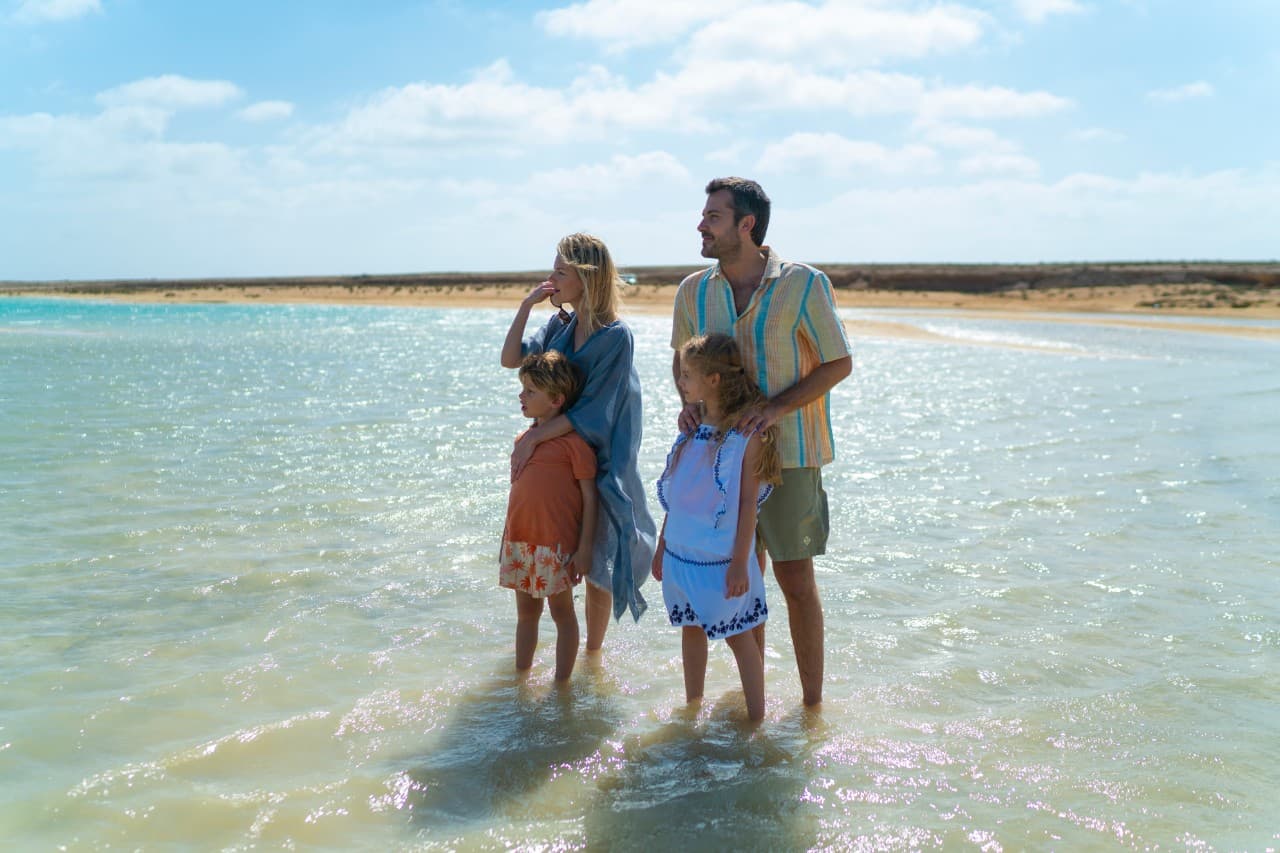 10 Days
Jeddah Al-Balad → AlUla → Hegra → Red Sea Coast
From €8,200 per person
View Full Itinerary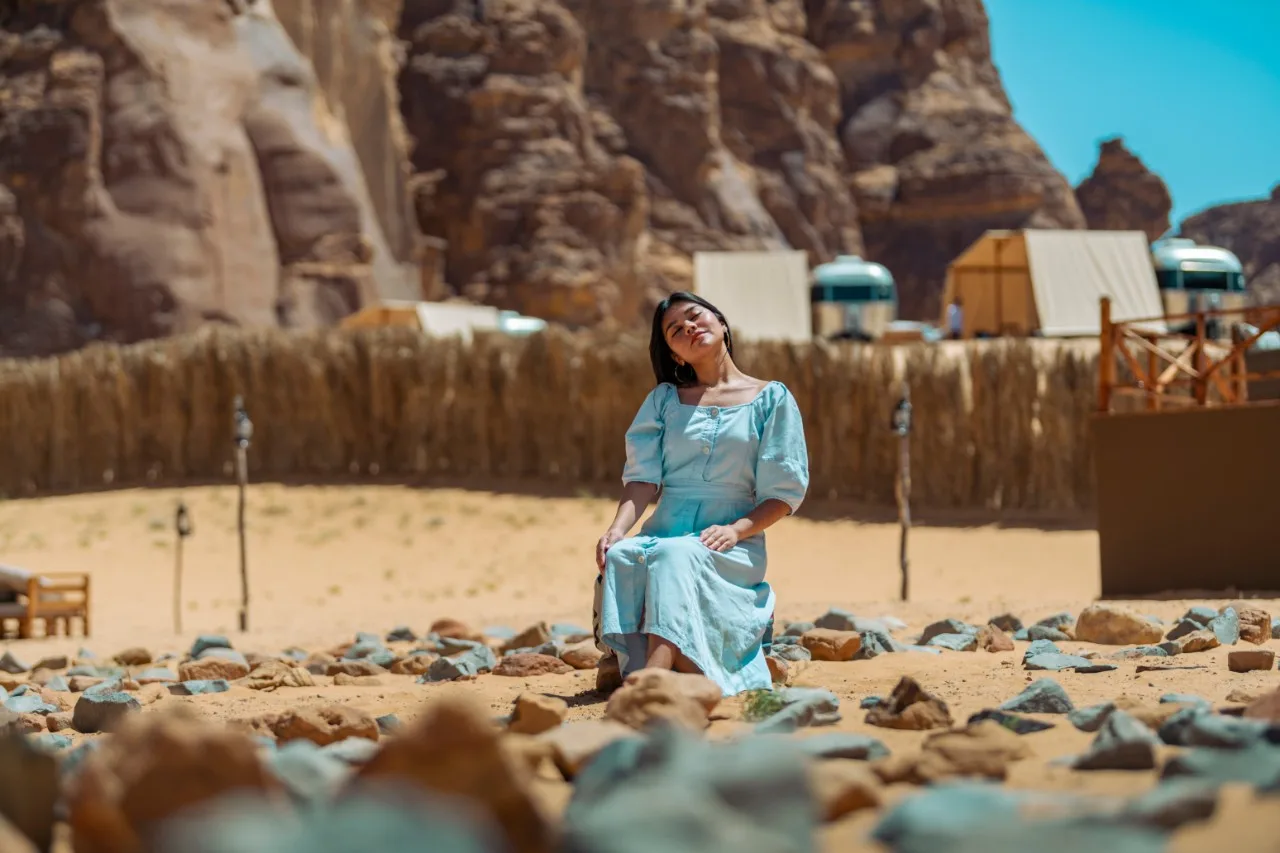 5 Days
AlUla → Hegra → Desert Camp
From €5,000 per person
View Full ItineraryI travelled solo and was nervous about visiting Saudi Arabia on my own. Nia put me completely at ease. The stargazing evening in the AlUla desert was magical, and exploring Jeddah Al-Balad's coral stone alleyways with a local historian made the heritage come alive.

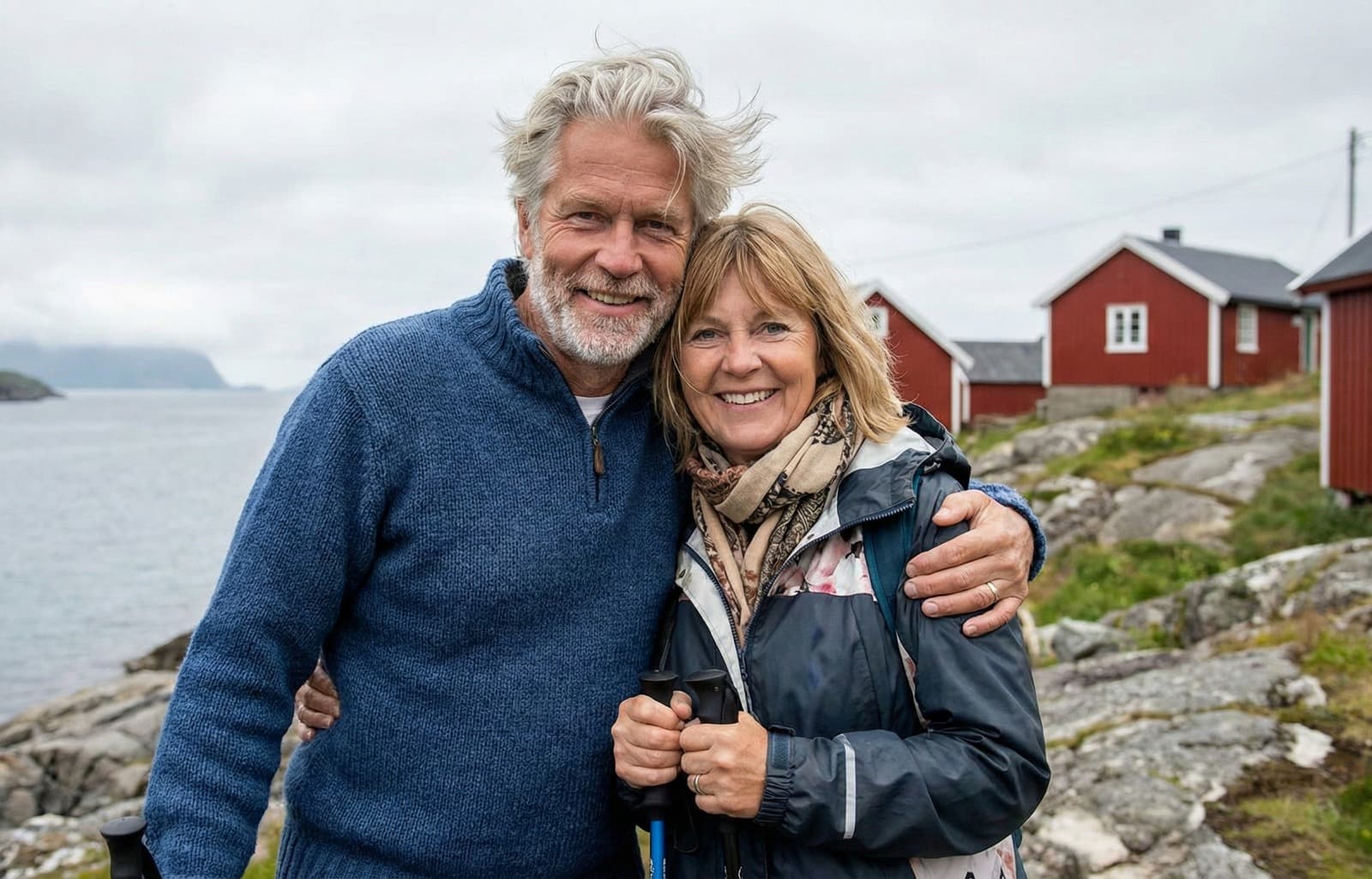
Jeddah Al-Balad completely surprised us. Walking through 400-year-old merchant houses with their ornate wooden balconies, then browsing the traditional souqs for spices and textiles, it felt like discovering a secret that most travellers have yet to find. Nia's local connections opened doors we could never have accessed alone.
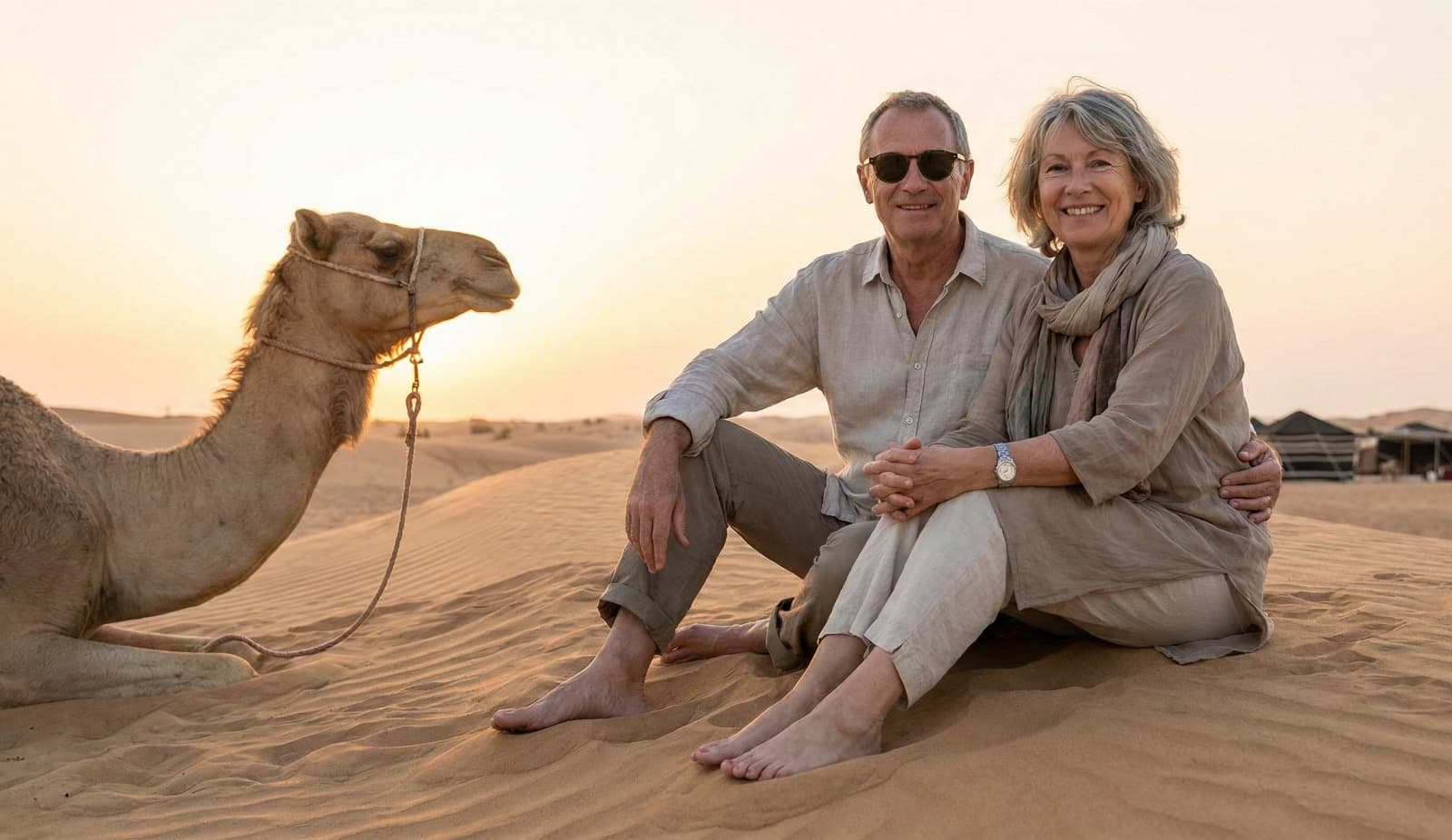
Walking through Jeddah Al-Balad with Nia's local guide was like stepping into a living museum. The coral stone architecture, the hidden rooftop cafes, the spice markets with scents I had never encountered before. We ended the evening with a traditional dinner in a restored merchant house. Truly unforgettable.

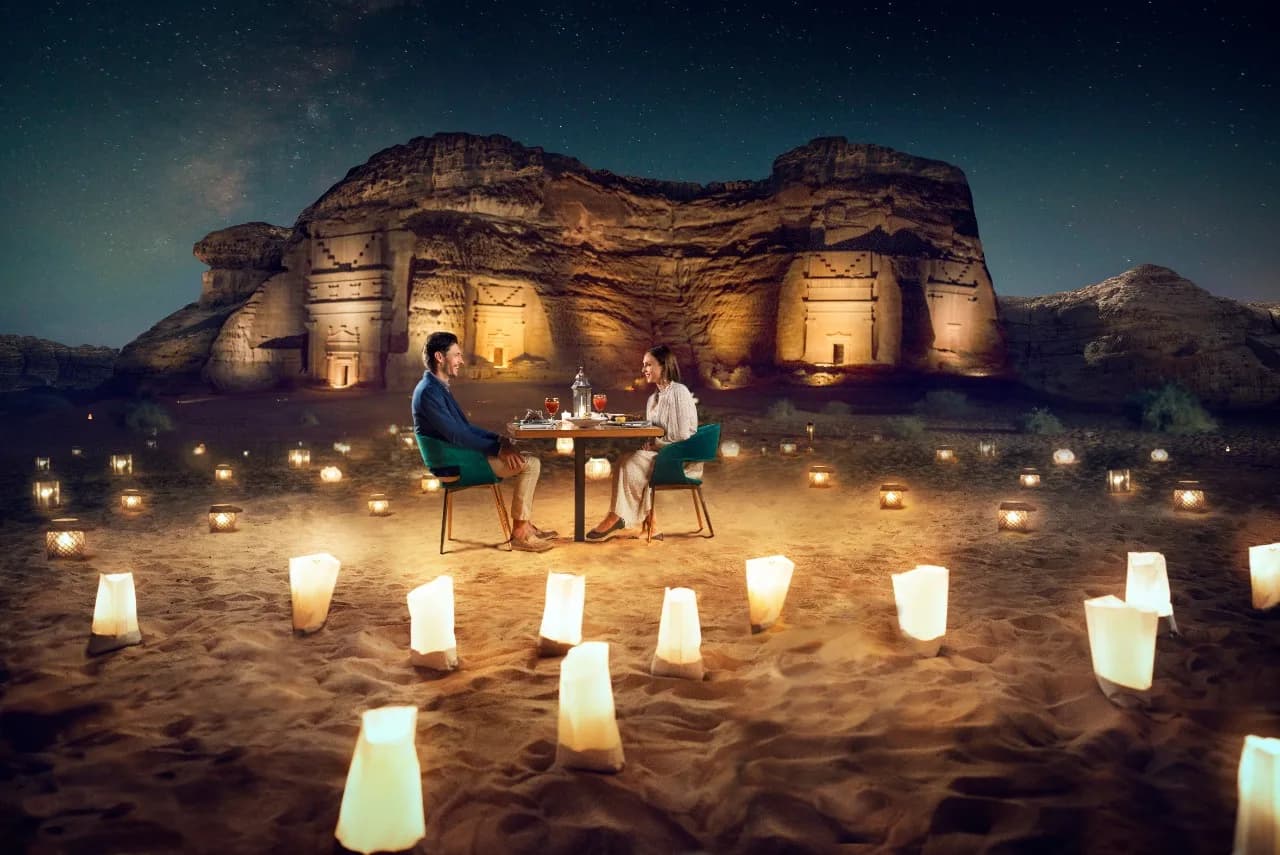
Our private tour of Hegra was the highlight of a lifetime. Standing before 2,000-year-old Nabataean tombs with our own archaeologist guide, we felt like we had stepped back in time. Nia personally ensured every detail was perfect, from the luxury camp to the candlelit desert dinner.

As a history professor, I had high expectations for AlUla, and Nia Travels exceeded every one. The private access to Dadan and the Lihyanite tombs was extraordinary. I have visited Petra twice, but Hegra, without the crowds, felt infinitely more intimate and powerful.

We spent four days exploring Diriyah and the At-Turaif district. The mud-brick architecture and the storytelling from our guide were remarkable. Dinner at Bujairi Terrace overlooking the illuminated ruins was an evening we will never forget. Thank you, Nia.
 UNESCO Heritage
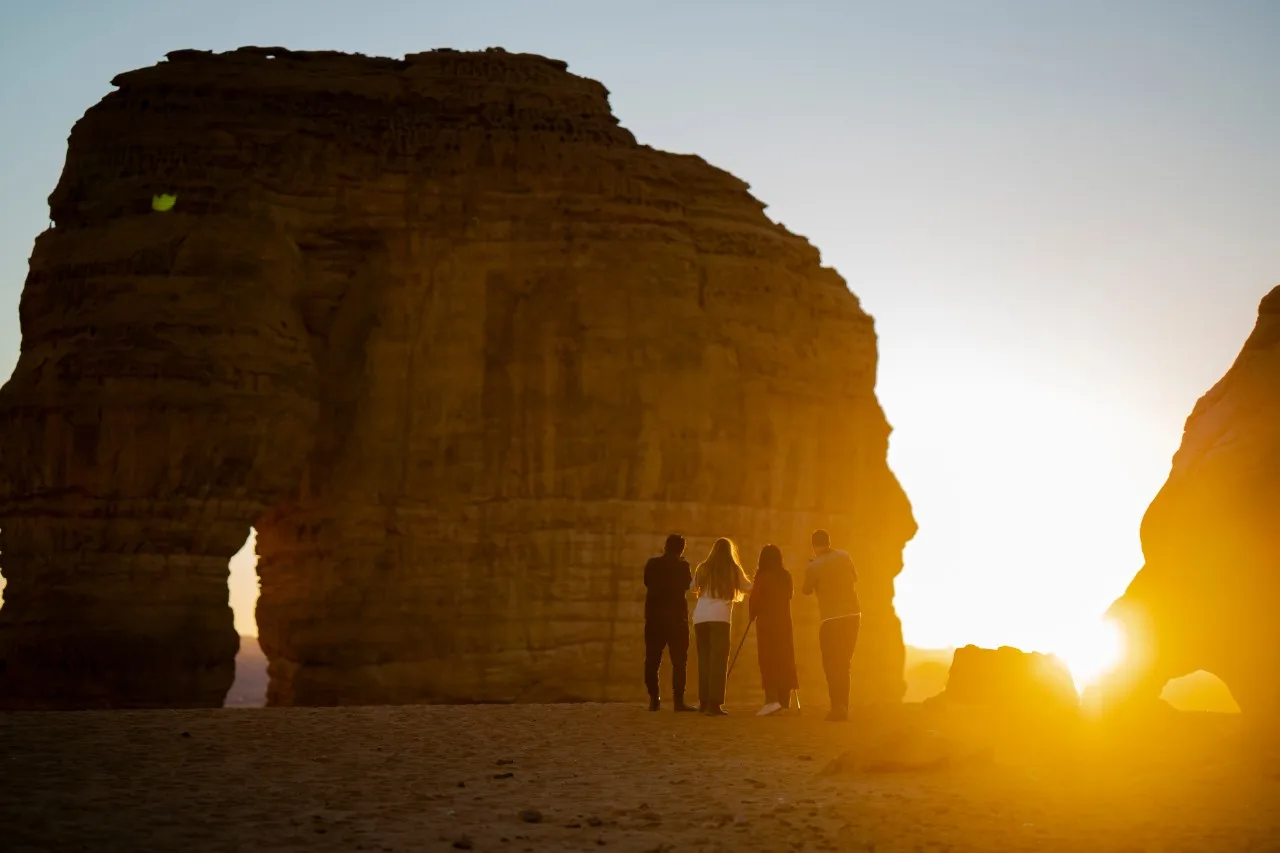
Discover Saudi Arabia's first UNESCO World Heritage Site. Walk among 2,000-year-old Nabataean tombs carved into golden sandstone cliffs, explore the ancient oasis city of Dadan, and experience the vast desert landscapes of one of the world's most remarkable open-air museums.
Explore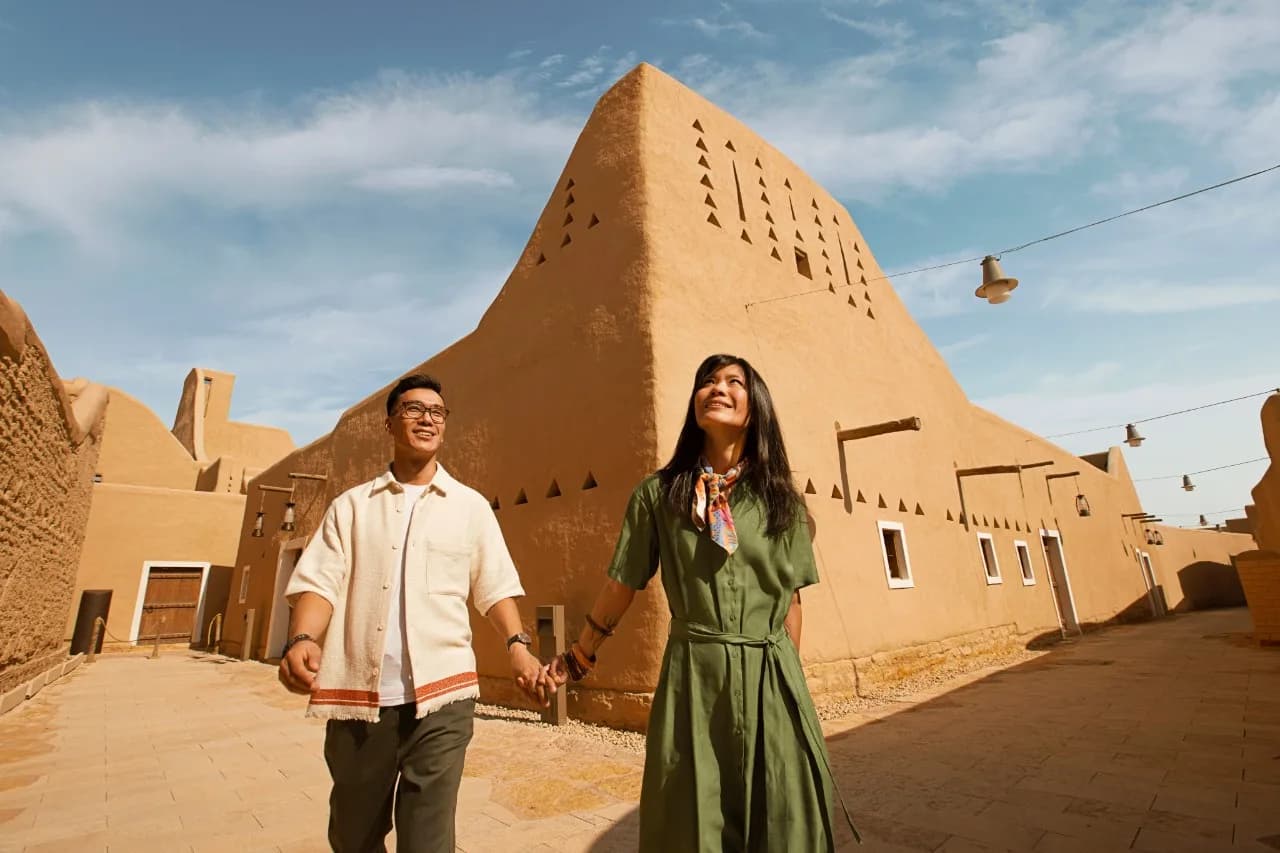 UNESCO Heritage
Step into the birthplace of the Saudi state. Explore the UNESCO-listed At-Turaif district with its striking mud-brick architecture, stroll through the beautifully restored Bujairi Terrace, and uncover centuries of Arabian history in one of the region's most significant heritage destinations.
Explore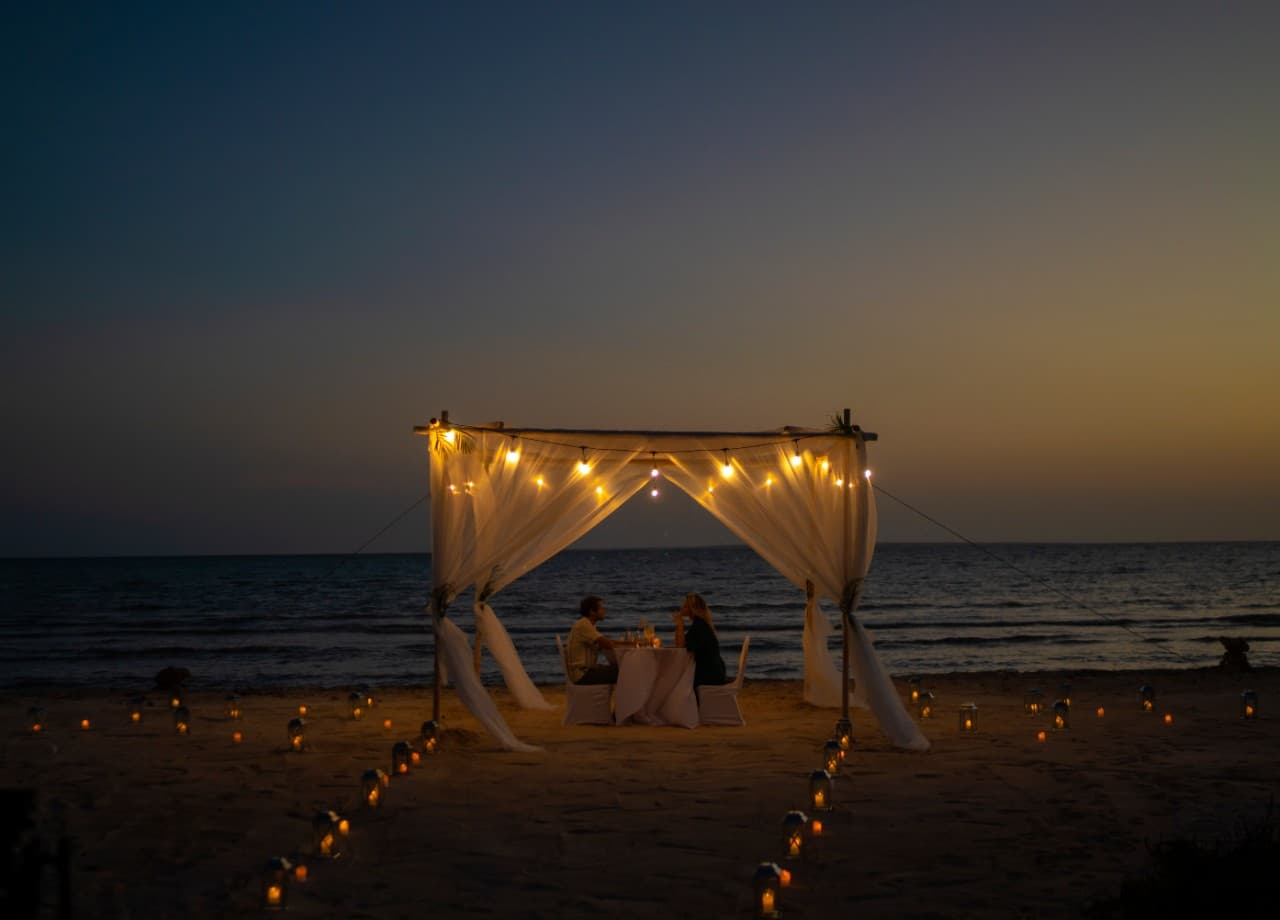 Luxury Retreat
Escape to pristine coral reefs and crystal-clear waters along Saudi Arabia's untouched coastline. Stay at luxury island resorts, snorkel among vibrant marine life, and relax on secluded beaches in one of the world's last undiscovered coastal paradises.
ExploreShare your travel preferences and Nia will personally design your itinerary. No commitment, no booking pressure.
Fill out the form below and we'll get back to you with a personalized itinerary.
All the essential information before you book your tour with Nia Travels. In case you have any other questions, feel free to reach out to our support team and we will do our best to help you.